
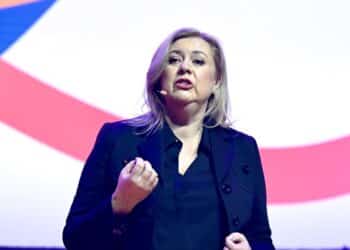
Speaking in a Financial Services Council (FSC) webinar, Ms O’Neill cautioned the expected rise in unemployment will see Australians withdraw from direct and advised insurance.
As outlined in the federal budget, unemployment is expected to peak at 8 per cent this year.
“We’re going to have hundreds of thousands more people unemployed before Christmas,” Ms O’Neill said.
“We’ve got a million people unemployed who weren’t unemployed. We’ve got a timeline, with a clock ticking for the reduction of JobKeeper, which has been so important for helping people stay in their home, which is pretty important for their mental health, and pay their bills and get through and keep their business going.”
The Labor senator also commented that the government has not accounted for what might need to be different in Victoria. Meanwhile, JobSeeker is set to be wound back to its old payments, equalling around $40 a day.
“That is a whole other world of pain on the horizon that is not going to be pretty for this country, mental health impacts will be profound,” Ms O’Neill said.
“People who are in a direct insurance or in advised insurance will be withdrawing. They will be withdrawing, they will not be able to maintain the good financial health practices that they have engaged in.”
She also expressed concern that the majority of superannuation members accessing their retirement savings under the early release scheme have been women, who now have no group insurance as a result.
Nick Kirwan, senior policy manager, life insurance at the FSC, said, “Australia already has an underinsurance issue, that begs the question what more can we do to address that?”
“In my view, we shouldn’t have taken more people out of group insurance,” the senator answered, referring to the changes under Protecting Your Super legislation. New super members aged under 25 are now not provided with insurance unless they request it or work in a dangerous job.
“Once it’s established and people are in there, there was some protection in group insurance,” Ms O’Neill said.
“And I know the finer details, 12 per cent were rejected by comparison to retail and direct, yes those things matter. But, structurally, what we’ve done is reduce the pool of people who are in there and we are in the cusp of another massive reduction, as people have to tighten their belts, as we experience the first recession in 30 years…
“We will have … people, as of March next year, if the government doesn’t make any changes, trying to live on $40 a day. That kind of disruption will make the technical changes that have been challenging this sector [life insurance] pale into insignificance.”



In another conference Labor’s Stephen Jones freely admitted that Labor was biased against insurance commissions and was likely to ban them if elected to power. We already had a major underinsurance problem long before COVID. If Labor gets in they will make it much, much, worse.
Nick Kirwan, senior policy manager, life insurance at the FSC, said, “Australia already has an underinsurance issue, that begs the question what more can we do to address that?”
Thanks to the FSC’s corruption the LIF has created a vast reduction in new business sales (nobody can afford to advise on risk now). And since the LIF and way before COVID the FSC members have all been increasing existing customers premiums to the extent that they have to cancel or reduce cover.
The FSC is directly responsible for the disaster that the LIF has created and are directly responsible for worsening underinsurance. Perhaps the FSC should admit this, fix the LIF and shut up shop in the interest of customers.
Underinsurance has been a ballooning problem for some time now. It is caused by regulatory persecution of advisers, and the skyrocketing premiums associated with “mental health” claims.
Don’t try and pin underinsurance on COVID related matters Senator O’Neill. The die was cast well before COVID came along, and your party was a big contributor to the problem.
we could easily make underinsurance worse by increasing the cost of insurance significantly, reducing the benefits and features and paying advisers less for their work….